
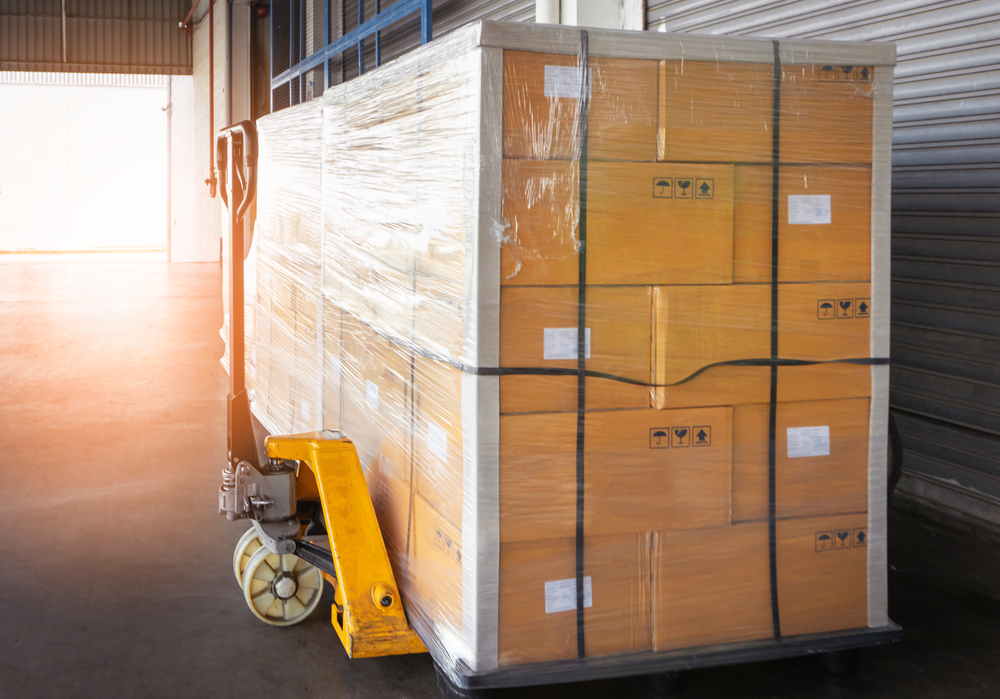
Every dollar saved in logistics is a dollar that can be reinvested into growing your business. For companies that ship products regularly, packaging is one of the most overlooked areas where significant savings can be unlocked. Many businesses underestimate how much their packaging choices affect not just product safety, but overall operational efficiency, carrier costs, and customer satisfaction. When you take the time to evaluate and invest in efficient packaging solutions, the ripple effect touches nearly every part of your supply chain.
Whether you are a small e-commerce seller or a large-scale manufacturer, understanding how to align your packaging strategy with your shipping needs is critical. The good news is that smarter packaging does not require a complete overhaul of your operations. In most cases, a few strategic adjustments to materials, dimensions, and processes can produce measurable results quickly.
The Real Cost of Poor Packaging Choices
Before exploring solutions, it helps to understand what poor packaging is actually costing you. Oversized boxes filled with excessive void fill, flimsy mailers that lead to product damage, and inconsistent packaging processes all add up to unnecessary expenses over time.
Carrier pricing models have shifted heavily toward dimensional weight (DIM weight) billing, meaning the size of your package can cost just as much as its actual weight. A product shipped in a box that is two inches too large on each side can dramatically increase your shipping invoice, multiplied across thousands of shipments per month. This is one of the primary reasons why packaging optimization has become a priority for logistics managers and operations teams across industries.
Then there is the cost of damage. When protective packaging materials are insufficient, returns and replacements eat into profit margins. Beyond the direct replacement cost, there is the labor involved in processing a return, the potential loss of a customer, and the reputational damage that can follow a string of negative reviews. These hidden costs are easy to ignore until they accumulate into a serious financial problem.
Choosing the Right Protective Packaging Materials
Selecting the appropriate protective packaging materials is the foundation of an efficient shipping strategy. Not every product requires the same level of protection, and using excessive cushioning or rigid materials for lightweight, durable items wastes both money and space.
For fragile or high-value products, options like air pillows, foam inserts, bubble wrap, and molded pulp provide reliable impact absorption during transit. These materials are designed to distribute force and prevent movement within the box, which is where most shipping damage originates. The key is matching the material to the product’s specific vulnerability. A glass item needs cushioning that absorbs shock from multiple angles. An electronics product may need anti-static protection in addition to standard cushioning.
For lighter or less fragile items, padded mailers and poly mailers are excellent cost-effective alternatives to rigid boxes. They reduce dimensional weight, lower material costs, and speed up the packing process. When used appropriately, these simpler solutions can reduce shipping costs packaging teams deal with on a daily basis without compromising product integrity.
Sustainable packaging materials have also grown significantly in both availability and quality. Recycled paper cushioning, compostable mailers, and biodegradable packing peanuts now offer competitive protection while aligning with consumer expectations around environmental responsibility. Choosing sustainable protective packaging materials can also open the door to cost savings through material efficiency and reduced waste disposal fees.
Packaging Optimization Strategies That Deliver Results
Packaging optimization is not a one-time project. It is an ongoing process of evaluating your packaging choices against current shipping data, carrier requirements, and product mix. Companies that treat it as a continuous improvement initiative consistently outperform those that set a standard and walk away.
One of the most effective strategies is right-sizing your packaging. This means matching the interior dimensions of your box or mailer as closely as possible to the dimensions of the product being shipped. Custom-sized boxes, while requiring a slightly higher upfront investment, often pay for themselves quickly through reduced DIM weight charges and lower void fill consumption. Several packaging suppliers now offer on-demand box-making equipment that cuts and scores corrugated material to exact specifications in real time, eliminating the need for large inventories of multiple box sizes.
Another area of packaging optimization involves standardizing your packaging across product lines wherever possible. When your fulfillment team is working with a consistent set of approved box sizes and materials, pick and pack times decrease, training becomes simpler, and procurement costs go down due to volume purchasing. Reducing the number of SKUs in your packaging inventory is a small operational change with a surprisingly large impact on efficiency.
Automation is also playing an increasingly important role in packaging optimization. Automated packing systems can analyze order details and select or construct the right package size without human intervention. These systems reduce labor costs, minimize errors, and maintain consistency at high volumes. For businesses processing hundreds or thousands of orders daily, this technology represents a genuine competitive advantage.
How Efficient Packaging Solutions Strengthen Your Supply Chain
Efficient packaging solutions do more than reduce costs at the point of shipment. They contribute to a stronger, more resilient supply chain from end to end. When packaging is standardized and optimized, warehouse storage becomes more efficient. Pallets can be stacked more uniformly, picking routes are easier to manage, and inventory tracking becomes more reliable.
Carrier relationships also improve when your packaging is consistent and compliant. Carriers prefer working with shippers whose packages are uniform in size, properly sealed, and correctly labeled. Non-standard or poorly constructed packages slow down automated sorting systems and increase the likelihood of damage during handling. Shippers who maintain high packaging standards often benefit from fewer claims, better carrier communication, and in some cases, negotiated rate advantages.
From a customer experience perspective, the package is the first physical touchpoint a buyer has with your brand. A well-constructed, right-sized package that arrives intact communicates professionalism and care. It reduces the frustration associated with excessive packaging waste and reinforces trust in your brand. In contrast, a damaged or oversized package creates a negative first impression that can undo everything your marketing and product teams have worked to build.
There is also the matter of returns packaging. Designing packaging with easy returnability in mind, such as resealable closures or included return labels, simplifies the reverse logistics process for both the customer and your operations team. When returns are easy and efficient, customer satisfaction stays high and processing costs stay low.
Aligning Packaging Strategy With Business Goals
Ultimately, your packaging strategy should be treated as a strategic business function, not just a line item in your operations budget. The most successful companies in e-commerce and manufacturing understand that reduce shipping costs packaging initiatives require cross-functional alignment between procurement, logistics, marketing, and finance.
Start by auditing your current packaging spend. Break it down by material costs, carrier charges tied to dimensional weight, damage-related returns, and labor involved in the packing process. This data will reveal where your biggest opportunities lie. From there, work with a packaging supplier or consultant who can help you evaluate alternatives and model the cost impact of different scenarios.
Set measurable goals for your packaging program. Track metrics like damage rate, average DIM weight per shipment, packing time per order, and packaging cost as a percentage of revenue. Review these numbers regularly and treat them with the same seriousness as your sales and customer acquisition metrics.
Investing in efficient packaging solutions is not just about cutting costs. It is about building a more agile, competitive, and customer-focused operation.
Conclusion
The right packaging strategy has the power to reduce shipping costs, protect your products, and improve the overall customer experience. By focusing on protective packaging materials that match your product needs, applying packaging optimization principles across your operations, and treating packaging as a core part of your supply chain strategy, you position your business for long-term efficiency and profitability. Small improvements in packaging compound over time into significant financial and operational gains.
Need Packaging Supplies in Bryan, OH?
Lamberson Packaging Solutions is a family-owned business that has been serving the greater Bryan, Ohio area for 15 years. We offer our customers the best product selection, fast delivery and do it all at great prices! We are proud to offer over 18,000 quality products from well known and trusted brands like 3M, Sealed Air, Tape Logic, Rubbermaid, Ivex, and many more! Our mission is to be the single-source answer to all of our customer’s packaging needs. Through the years, we have established a reputation with our customers for providing fast, reliable, and professional service. Our high level of responsiveness to our customer’s needs keeps them coming back! Give us a call today to get started!