
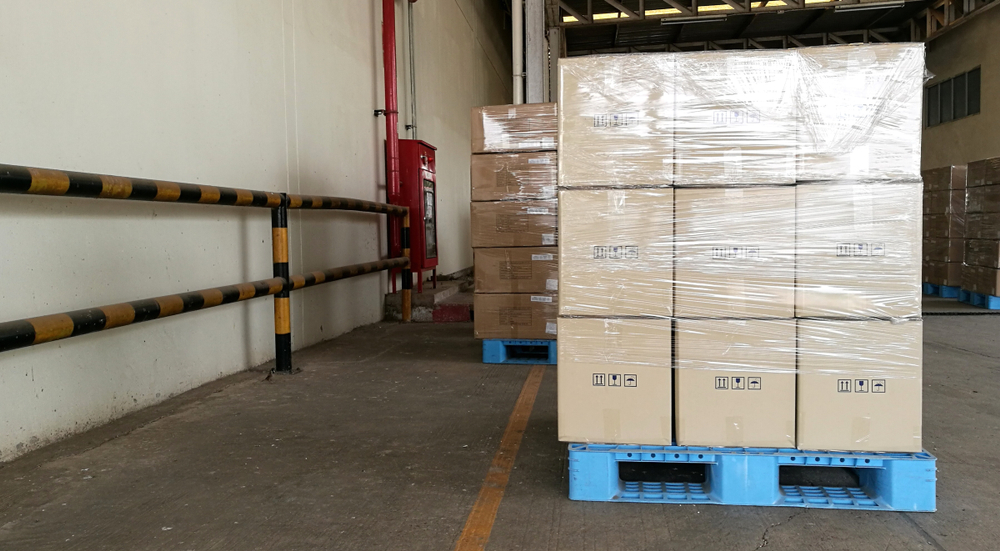
When you step into a warehouse club or bulk supplier, you’re immediately seduced by the promise of savings. Massive quantities at lower per-unit prices seem like an irresistible deal. But is buying supplies in bulk always the smart financial move? The answer is more nuanced than you might think. Understanding when bulk warehouse supplies genuinely save you money and when they drain your wallet requires careful analysis of your specific business needs, storage capacity, and consumption rates.
The Real Cost of Bulk Buying
The most critical mistake businesses make is assuming that a lower per-unit price automatically means total savings. This assumption overlooks the hidden costs associated with bulk purchases. When you buy supplies in bulk, you’re not just paying for the product itself. You’re also committing capital that could be invested elsewhere, taking on storage costs, and potentially dealing with waste if products expire or become obsolete before you use them.
Consider a small business in Ohio that purchases office supplies from a local wholesale packaging benefits provider. The case of paper might cost 30% less per ream when bought in bulk, but if you don’t have proper storage space, you might rent additional warehouse space to accommodate the purchase. That rental cost could easily eat away at your per-unit savings. Additionally, if the paper sits in storage for months, your working capital remains tied up in inventory that isn’t generating revenue. For many small to medium-sized businesses, this opportunity cost is substantial and often overlooked.
Storage deterioration presents another hidden expense. Some products degrade over time, especially items sensitive to temperature, humidity, or light exposure. Supplies stored in improper conditions might become unusable, transforming your bargain purchase into complete waste. The initial savings evaporate when you’re forced to purchase replacement items at regular prices.
When Bulk Warehouse Supplies Actually Save Money
Despite these cautionary points, bulk buying absolutely makes sense in certain situations. High-consumption businesses that move through large quantities of supplies regularly benefit tremendously from wholesale packaging benefits and bulk purchasing agreements. A manufacturing facility that uses thousands of units of packaging materials monthly will see legitimate, substantial savings by buying in bulk. The per-unit cost reduction directly translates to lower production expenses without storage concerns.
Businesses with excellent inventory management systems and adequate storage facilities can leverage bulk buying effectively. If you have proper climate-controlled warehouse space, organization systems that prevent product degradation, and accurate tracking of inventory turnover rates, bulk purchases become strategically valuable. The key is matching your bulk purchase quantities to your actual consumption rates.
For items with indefinite shelf lives and consistent demand, bulk buying is an unambiguous win. Cleaning supplies, certain office materials, and non-perishable items fall into this category. A business in Ohio that consistently uses the same products year after year should absolutely explore bulk warehouse supplies options. The savings compound over time as you continuously benefit from lower per-unit costs across multiple purchase cycles.
Businesses preparing for seasonal demand spikes benefit significantly from advance bulk purchases. If you know that your business will surge in activity during specific months, purchasing supplies in bulk before that period makes financial sense. You avoid paying premium prices during high-demand seasons when other businesses are also competing for limited inventory.
Evaluating Your Consumption Patterns and Storage Capacity
Before committing to bulk buying, conduct a thorough assessment of your actual consumption patterns. Many business owners estimate their usage incorrectly, leading to overstocking and waste. Track your supply usage for at least three to six months to understand your real needs. Calculate how long it takes you to consume a bulk purchase and whether that timeline aligns with product shelf life and storage capacity.
Storage capacity is not merely about physical space. Consider whether your storage environment maintains appropriate temperature and humidity levels. Poor storage conditions can render supplies unusable, negating any savings from bulk purchases. Additionally, assess your inventory management capabilities. Can you accurately track stock levels? Do you have systems to prevent duplicate purchases? Without these systems, you risk ordering bulk supplies when you already have sufficient inventory in storage.
Evaluate your working capital situation honestly. If every dollar matters to your cash flow, tying up capital in bulk inventory might create financial strain. Even if the per-unit savings are substantial, the cash flow impact could harm your business. Conversely, if you have sufficient working capital, bulk purchasing becomes more feasible and financially beneficial.
Calculating True Savings from Bulk Warehouse Supplies
Proper calculations separate genuine savings from accounting illusions. Don’t simply compare the per-unit price of bulk supplies to regular pricing. Calculate the total cost of ownership, including storage costs, potential waste, interest on borrowed money if you’re financing the bulk purchase, and any organizational costs associated with managing larger quantities.
The buying supplies in bulk savings formula should include: (regular unit price minus bulk unit price) times the quantity you’ll actually consume before expiration or obsolescence, minus storage costs, minus waste allowance. This comprehensive calculation reveals your true savings. Many businesses discover that their actual savings are considerably smaller than the advertised per-unit discounts suggest.
For seasonal businesses, the calculation becomes more complex. If you purchase bulk supplies for a season where you’ll use only 60% of them, the calculation changes dramatically. You must include carrying costs for the unused 40% and consider whether you can carry those supplies into the next year or must dispose of them.
When to Avoid Bulk Warehouse Supplies
Certain situations make bulk buying inadvisable regardless of the per-unit savings. Rapidly changing product lines or technologies create risk when buying in bulk. If your business frequently updates its processes or tools, bulk inventory of outdated supplies becomes waste. Similarly, if you operate a startup or business with unpredictable demand patterns, bulk buying introduces too much inventory risk.
Perishable items require special caution. Foods, pharmaceuticals, and other time-sensitive products can become completely worthless after expiration. Unless you’re absolutely certain you’ll consume the entire purchase before expiration and have storage meeting all regulatory requirements, bulk buying perishables is financially dangerous.
Space-constrained businesses operating in expensive real estate markets should think twice about bulk purchases. The cost per square foot of additional storage space in urban areas, including locations like Ohio’s commercial districts, might exceed the per-unit savings on bulk supplies. In such situations, just-in-time ordering through regular suppliers becomes the more economical choice.
Conclusion
Bulk warehouse supplies and wholesale packaging benefits offer genuine savings for businesses that approach bulk buying strategically. Success requires honest assessment of your consumption rates, accurate calculation of total ownership costs including storage, and realistic evaluation of your storage capacity and working capital. When these factors align favorably, bulk buying generates meaningful cost reductions. When they don’t, you’re simply moving money from your profit margin into inventory that sits unused. The smart business owner evaluates each bulk purchase opportunity individually rather than assuming all bulk buying saves money.
Need Packaging Supplies in Bryan, OH?
Lamberson Packaging Solutions is a family-owned business that has been serving the greater Bryan, Ohio area for 15 years. We offer our customers the best product selection, fast delivery and do it all at great prices! We are proud to offer over 18,000 quality products from well known and trusted brands like 3M, Sealed Air, Tape Logic, Rubbermaid, Ivex, and many more! Our mission is to be the single-source answer to all of our customer’s packaging needs. Through the years, we have established a reputation with our customers for providing fast, reliable, and professional service. Our high level of responsiveness to our customer’s needs keeps them coming back! Give us a call today to get started!